

John Joseph

John Joseph Mastering

Taste-first mastering focused on depth, clarity, and emotional translation without flattening the character out of the mix.

First single master is free!

Mastering Examples

A small selection of finished work, linked for listening reference.

Get in touch

If you want to discuss a project or have any queries.

Pricing

First Single Master

Free!

If you are a new client, the first single track master is on me.

Master

£50

A finished master prepared for release with unlimited revisions.

Master + Release Walkthrough

£90

A finished master plus guidance on release strategy, advertising and DIY artwork/photos.

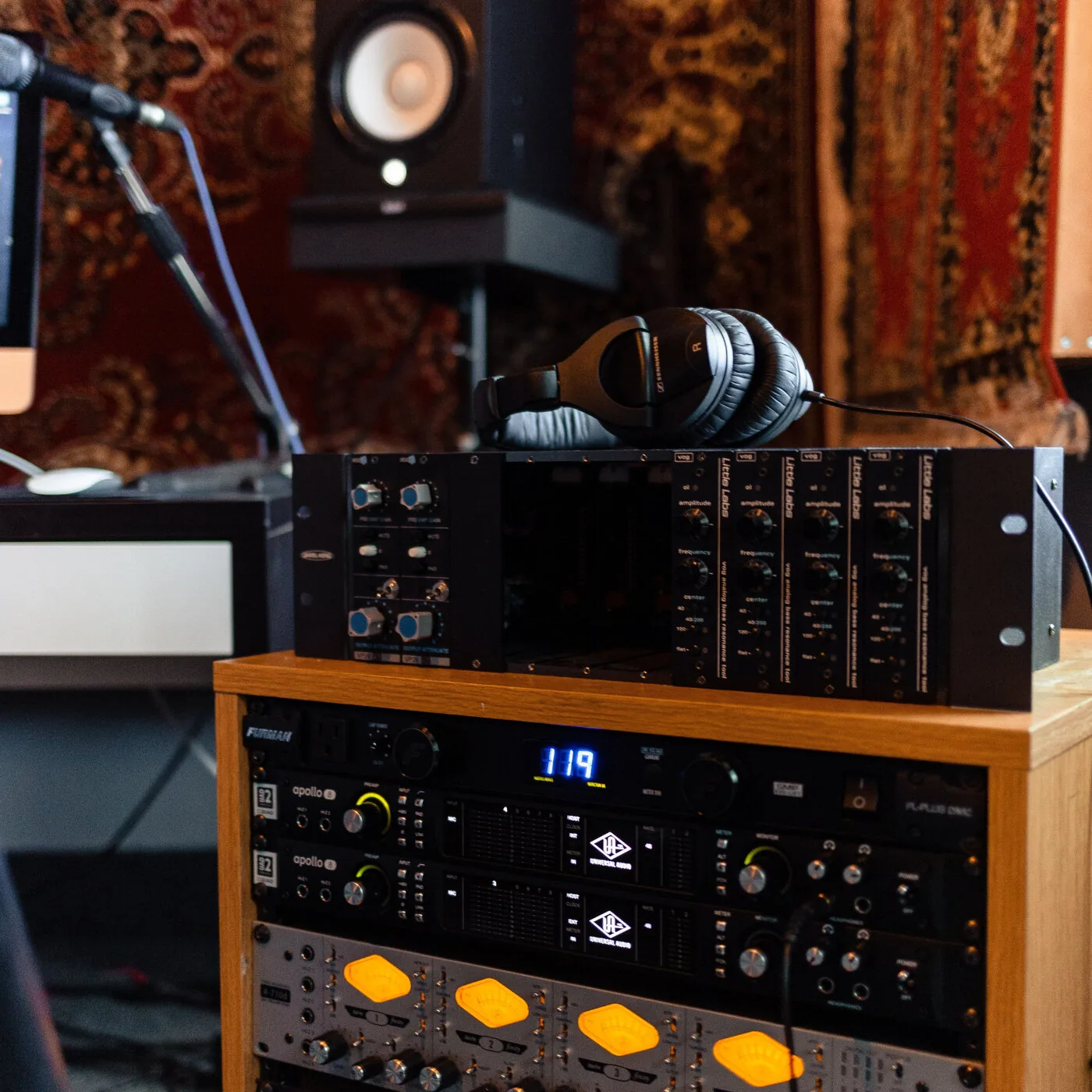
Mastering rack and studio monitor

Single, EP, and Album Mastering

Mastering should be personalised and perfected to your tastes and vision, not just a loudness pass. I believe open communication across the entire process is vital to get your mixes sounding professional.

Whether you are releasing one track or a full body of work, I aim to produce a result that is shaped to feel finished, confident, and coherent across streaming, headphones, speakers, and real-world listening environments.

Typical turnaround: 3-7 days depending on project size.
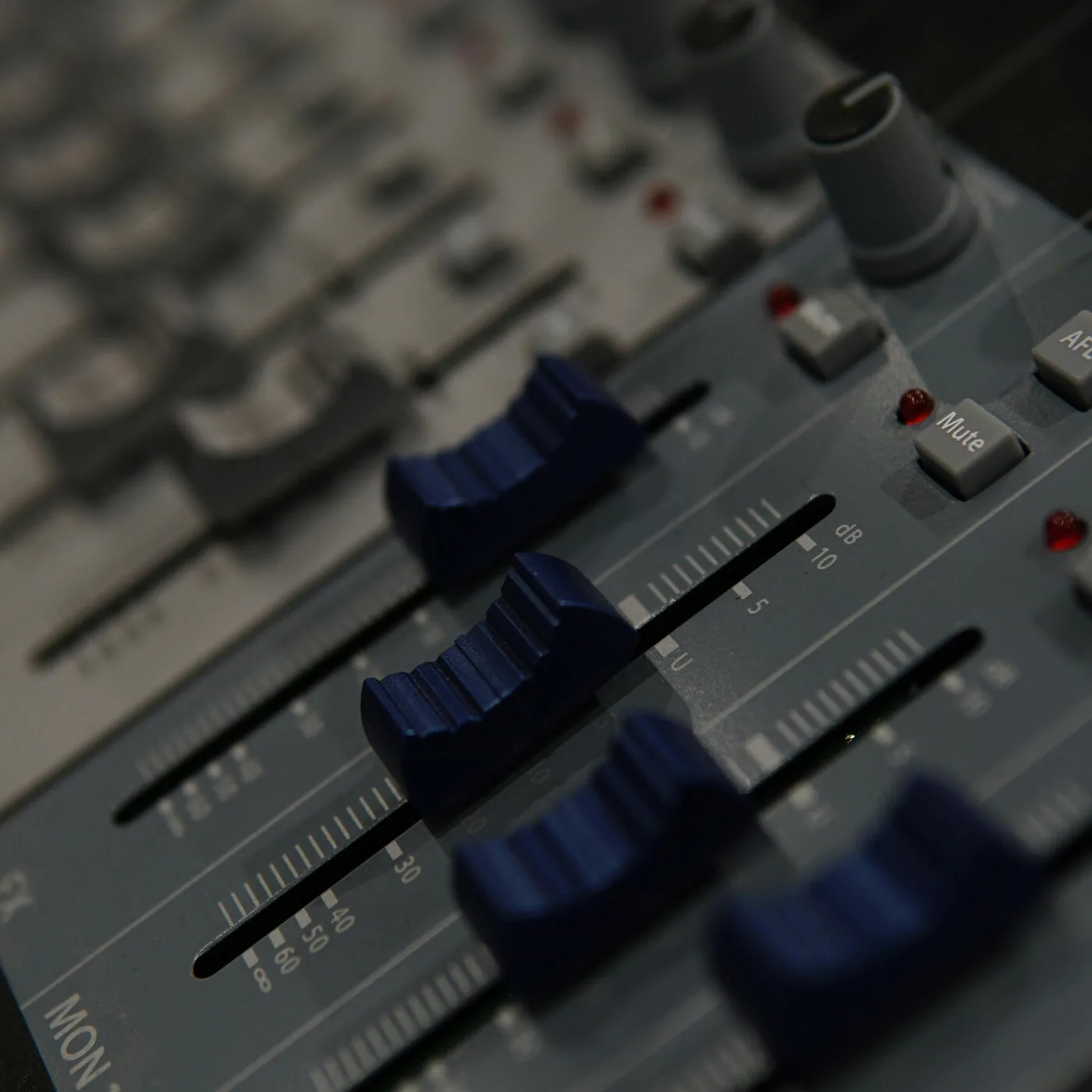
Mixing desk faders

A Thoughtful, Song-First Process

Each master is checked for tonal balance, low-end control, clarity, space and depth. The emphasis is always on what serves the song, rather than chasing generic brightness or level.

An input form is provided so that reference tracks, release notes, and format requirements can all be folded into the process so the final master supports the exact context in which the music will be heard.

What You Receive

Every project is delivered with practical release use in mind, so you have files that are immediately usable and a result that still feels like your record.

Colourful pad controller on a studio desk

Release-Ready Masters

Polished stereo masters prepared for digital release, with careful level and tonal decisions that hold up without sounding crushed or overworked.

Drum kit in a rehearsal room

Unlimited Revision Passes

Your music should sound how you want it to sound. I will not finish a project until it is perfected to your vision.

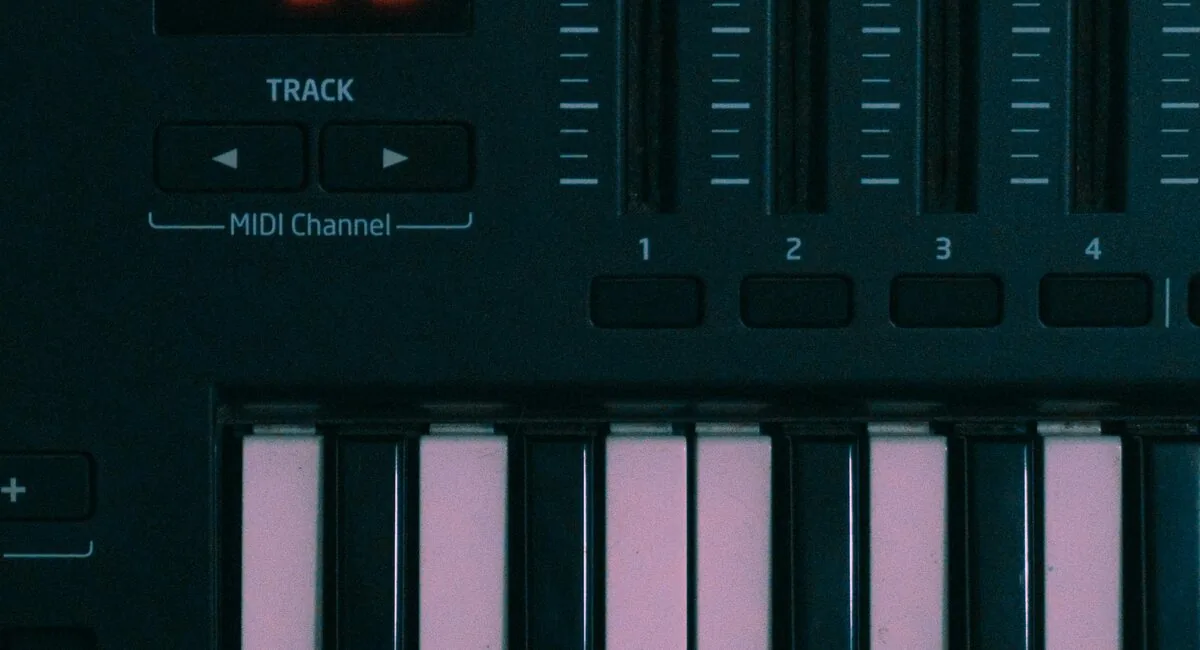
Keyboard controller with illuminated display

Context-Aware Delivery

Delivery can be tailored to your release path, whether that means streaming-first output, CD or vinyl.

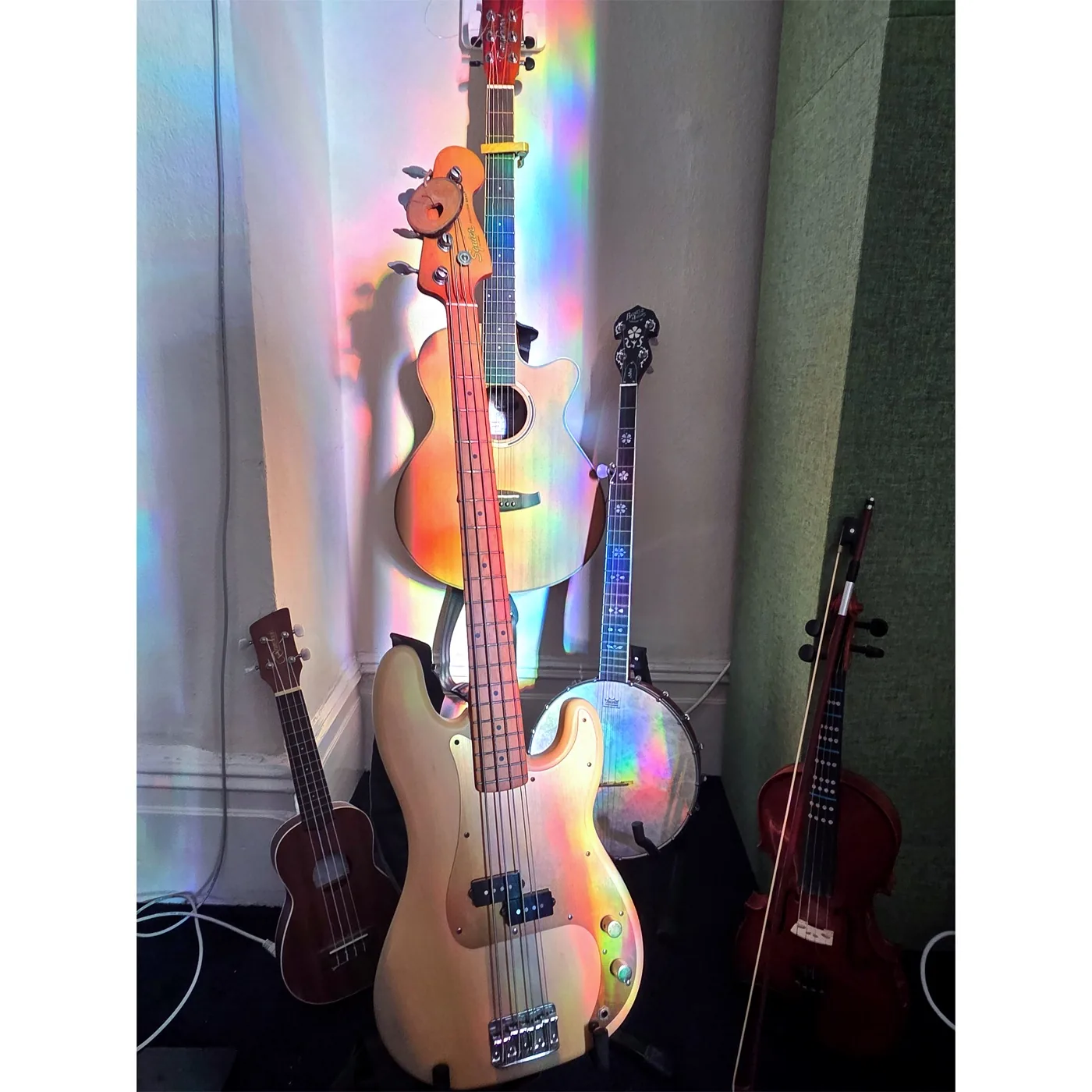
Guitars, bass, banjo, ukulele and violin in studio light

Release Strategy Advice

Music doesn't stop at the master, advice on website design, adverts, distribution and artwork can be added on if you are stuck on how to get your music heard.

FAQ

What software do you use?

Logic Pro with third-party mastering extensions including Kush Clariphonic, SSL Native Vocalstrip and UAD Pultec.

I have questions about the intake form, who can I contact?

Me! Send an email to josephlovesjohn@gmail.com and I'll be happy to answer any of your questions.

What is WAV or AIFF? Why do I need to provide it?

These are both uncompressed audio files. MP3 is lossy, aka it removes data and sound from the file that is less noticeable to the human ear. WAV and AIFF files preserve that information, but at the cost of being larger files.

What is clipping or distortion?

Clipping is when the loudness of the sound is higher than what the digital audio workstation can handle. It cuts the sound off at the peak of the waveform and can create distortion as a result, meaning a different sound to what was originally produced with various artifacts left in. Distortion can also be intentionally added for effect.

What does maximised for loudness mean?

Essentially, it is when the mix or audio file has been turned up to the max without clipping occurring. This is usually the very last stage of the mastering process. If the loudness is already at the highest point, there is not a lot of headroom for the mastering engineer to make substantial changes to the mix.

What is a limiter?

A limiter puts a hard ceiling on the loudness of the sound. It slowly decreases the height of the waveform as it reaches the upper limit, preventing clipping distortion and maintaining a natural sound in the mix.

What is a reference track?

A reference track is a song or piece that is similar in sound to yours. It should represent how you want your final master to sound in terms of style, not necessarily instrumentation. If unsure, just pick a song that makes you feel the same way as the song you have created.

What is an ISRC code?

ISRC stands for International Standard Recording Code. An ISRC is a unique ID for a specific sound recording, helping streaming platforms, distributors, labels, publishers, and royalty systems identify exactly which recording is being used.

What is sample rate?

Sample rate is how many times per second the audio is measured, or sampled. For example, 44.1kHz is 44,100 samples a second.

What does samples per second mean?

When sound is in the real world, it is continuous. A vocal, guitar, or drum hit is a smooth wave of air pressure changing over time. A computer cannot store a perfectly continuous wave directly, so it takes lots of tiny measurements of that wave. Each measurement is called a sample.

What is bit depth?

Bit depth is how much detail each sample can store in terms of volume level. It is usually either 16-bit for CDs, 24-bit for mastering files, or 32-bit inside Logic Pro. A higher bit depth means that the audio file can handle more dynamic range at the cost of a larger file size.